Published by:
CGP EDU Academic Team
Published on: September 12, 2026
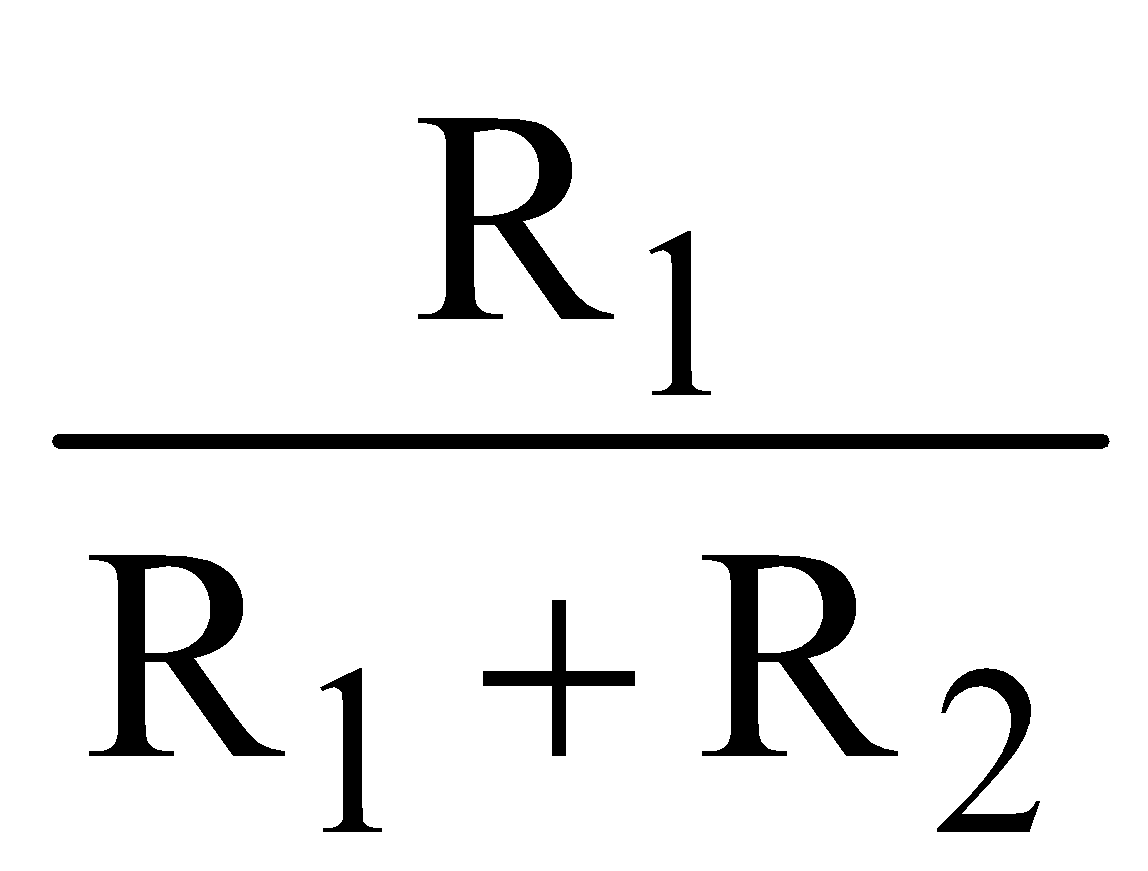
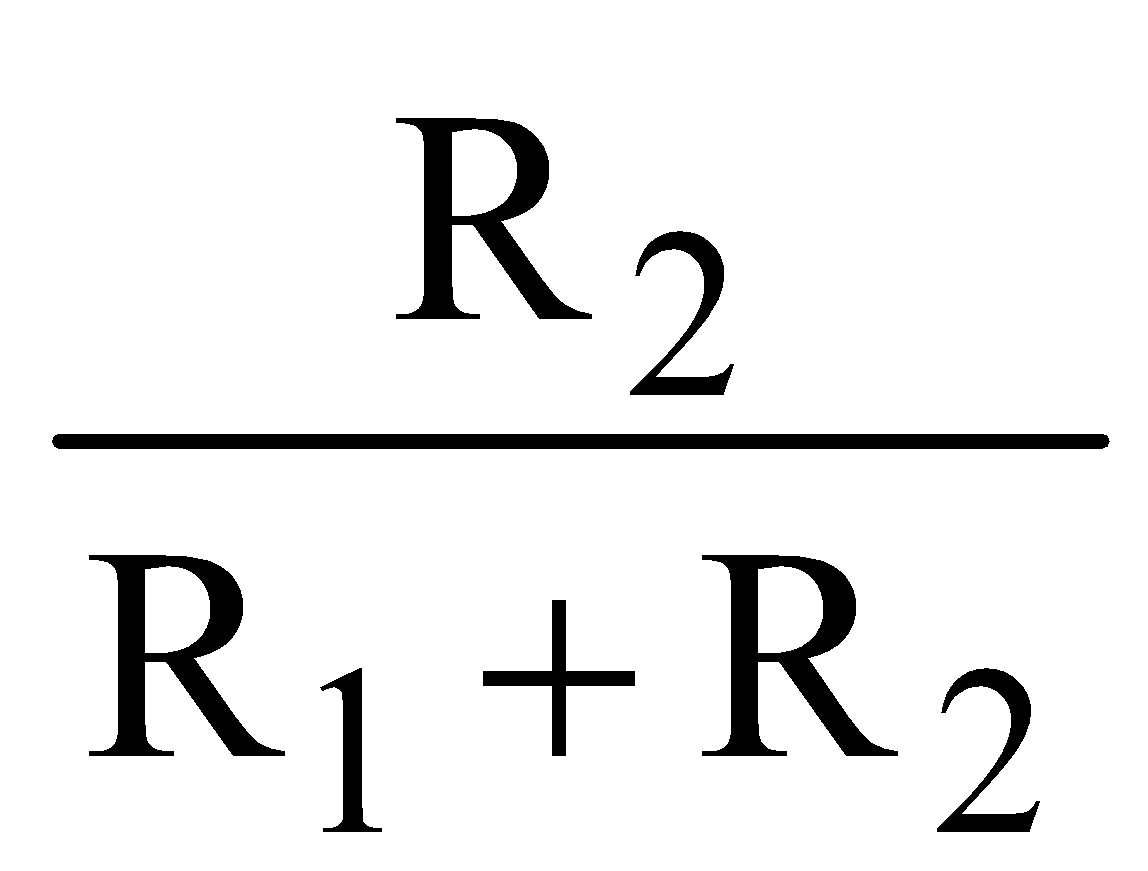
Two small metallic balls of radii R 1 and R 2 are in vacuum at a distance considerably exceeding their dimensions and have a certain total charge. Find the ratio q 1 /q 2 between the charges of the balls at which the energy of the system is minimal. What is the potential difference between the balls in this case?
Text Solution
Verified by ExpertsThe correct answer is:
A
Step 1: Understanding the System
We have two metallic balls with charges $q_1$ and $q_2$, and radii $R_1$ and $R_2$. The total charge $Q$ of the system is given by:
$ Q = q_1 + q_2 $
Assume that the potential of each ball is equal because they are in equilibrium due to symmetry, hence we denote the potential of each ball as $V$.
Step 2: Potential of a Metallic Sphere
The potential $V$ of a charged metallic sphere is given by:
$ V = \frac{k imes q}{R} $
where $k$ is Coulomb's constant. Therefore, for the two balls, we have:
$ V_1 = \frac{k imes q_1}{R_1} $
$ V_2 = \frac{k imes q_2}{R_2} $
Since they are equal at equilibrium, we have:
$ \frac{k imes q_1}{R_1} = \frac{k imes q_2}{R_2} $
Thus, removing $k$ from both sides, we find:
$ \frac{q_1}{q_2} = \frac{R_1}{R_2} $
Step 3: Minimizing the Energy
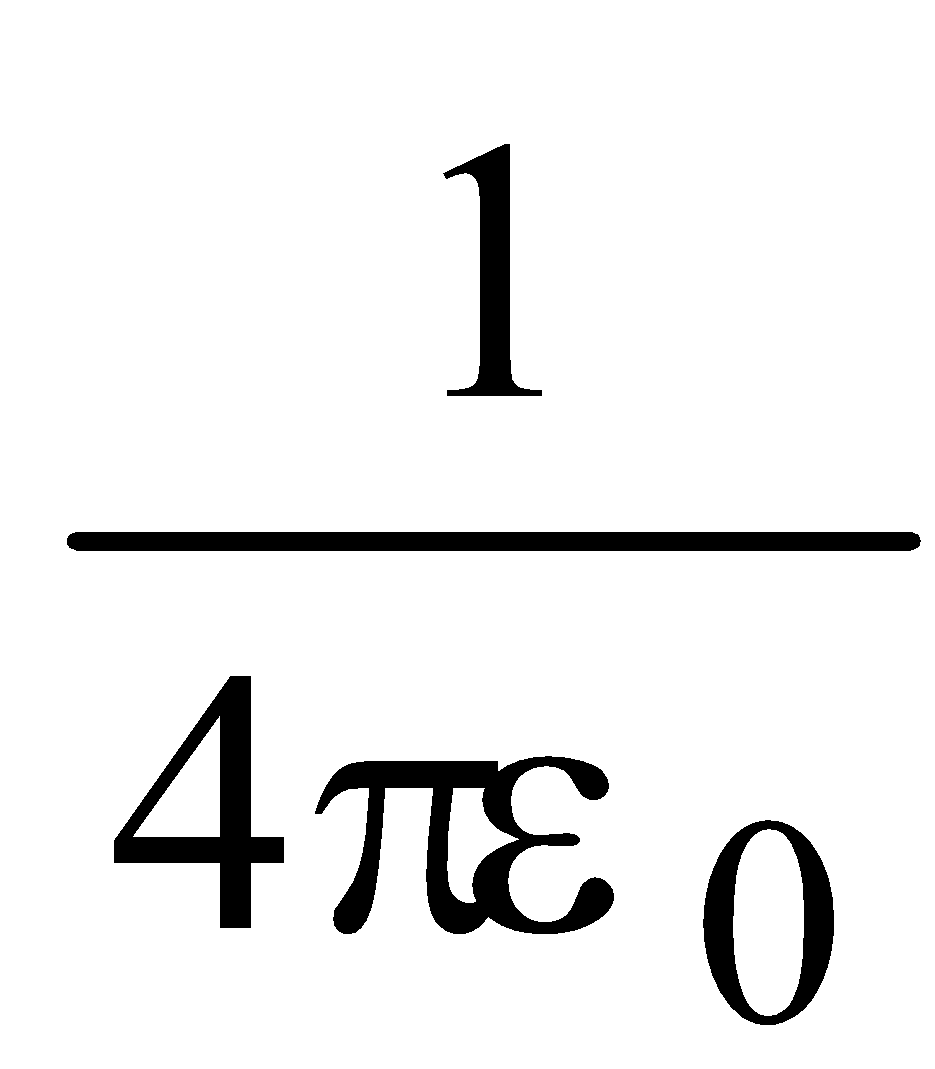
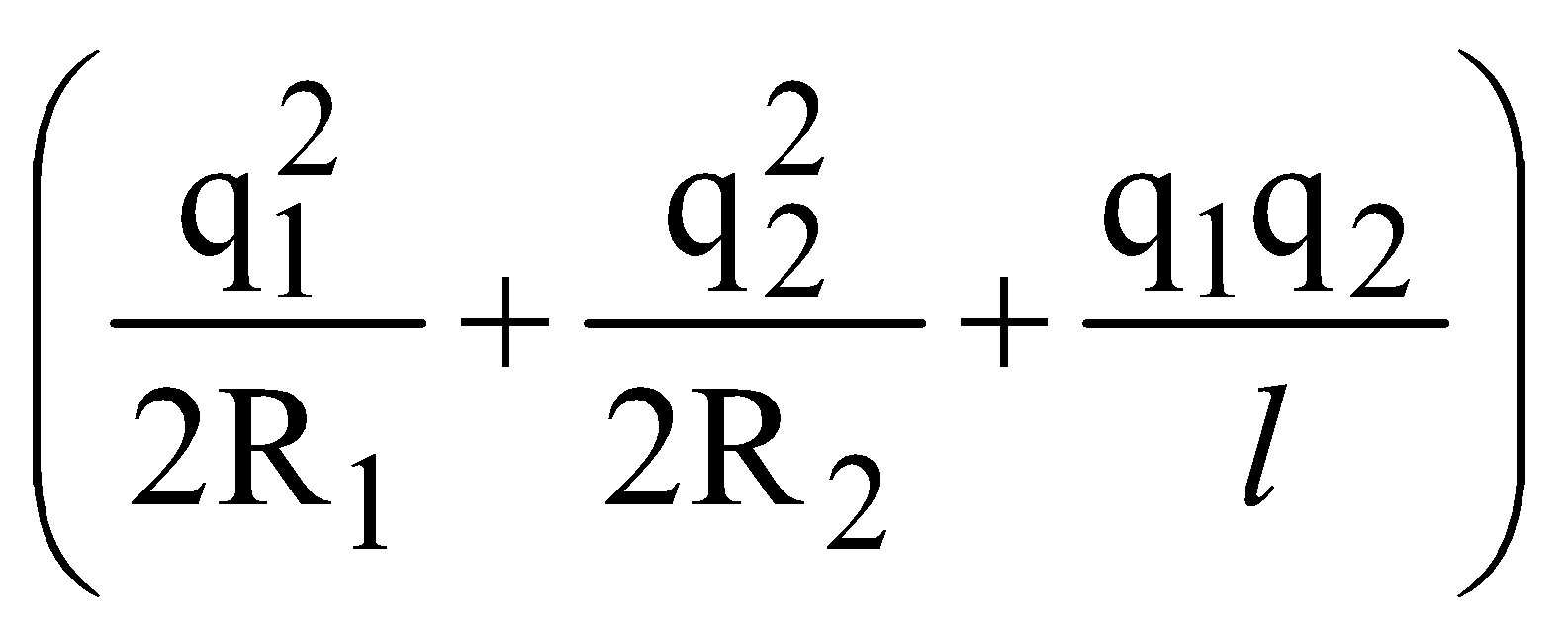
The electrostatic potential energy $U$ of the system consisting of two charges is given by:
$ U = \frac{k \times q_1 \times q_2}{d} $
where $d$ is the distance between the centers of the balls. However, to minimize energy concerning the ratio of charges, we find that the best configuration occurs when the ratio of charges equals the ratio of radii.
Step 4: Potential Difference
To find the potential difference $V_{12}$ between the two balls, we use the potentials previously found:
$ V_{12} = V_1 - V_2 $
This gives us:
$ V_{12} = \frac{k \times q_1}{R_1} - \frac{k \times q_2}{R_2} $
Rewriting $q_2$ in terms of $q_1$ using the ratio found, we get:
$ V_{12} = k \left( \frac{q_1}{R_1} - \frac{q_2}{R_2} \right) = k \left( \frac{q_1}{R_1} - \frac{q_1 \frac{R_1}{R_2}}{R_2} \right)$
Thus, simplifying further, we find:
$ V_{12} = k \times q_1 \left( \frac{1}{R_1} - \frac{1}{R_2} \right) $
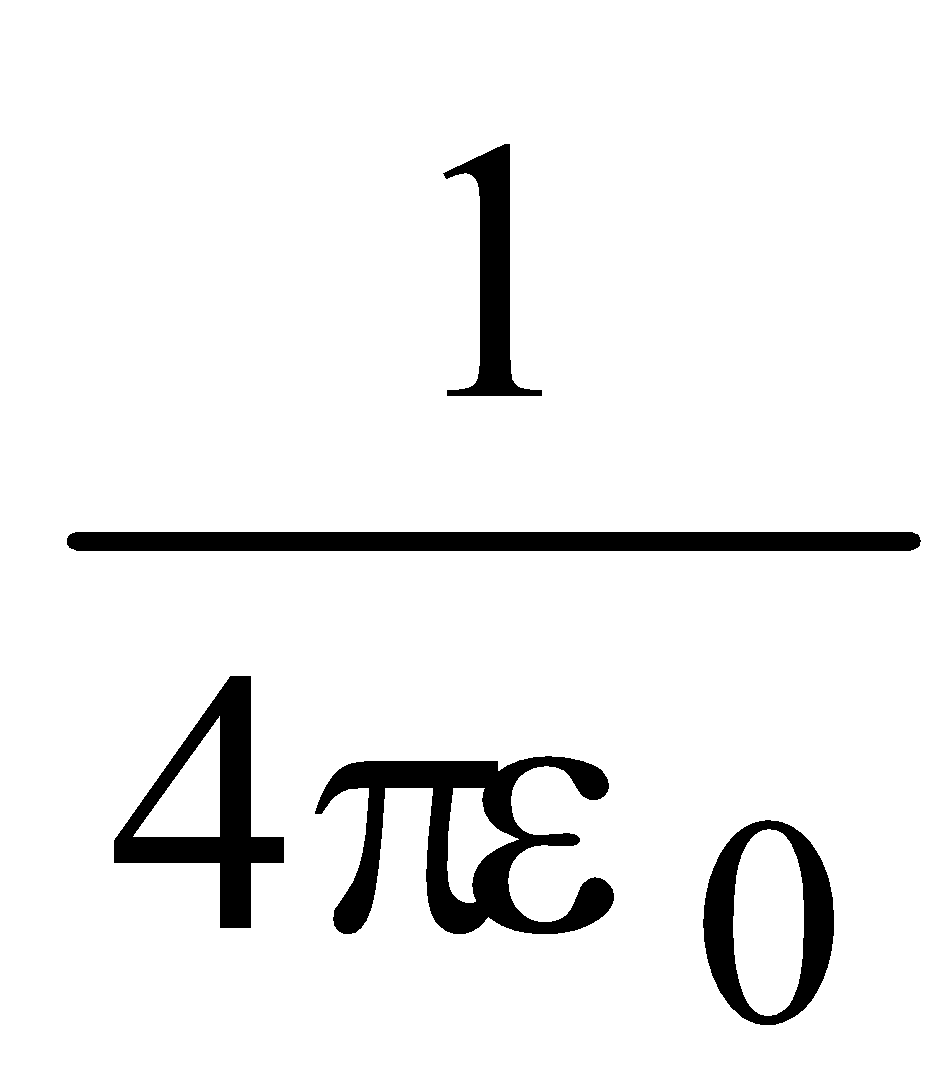
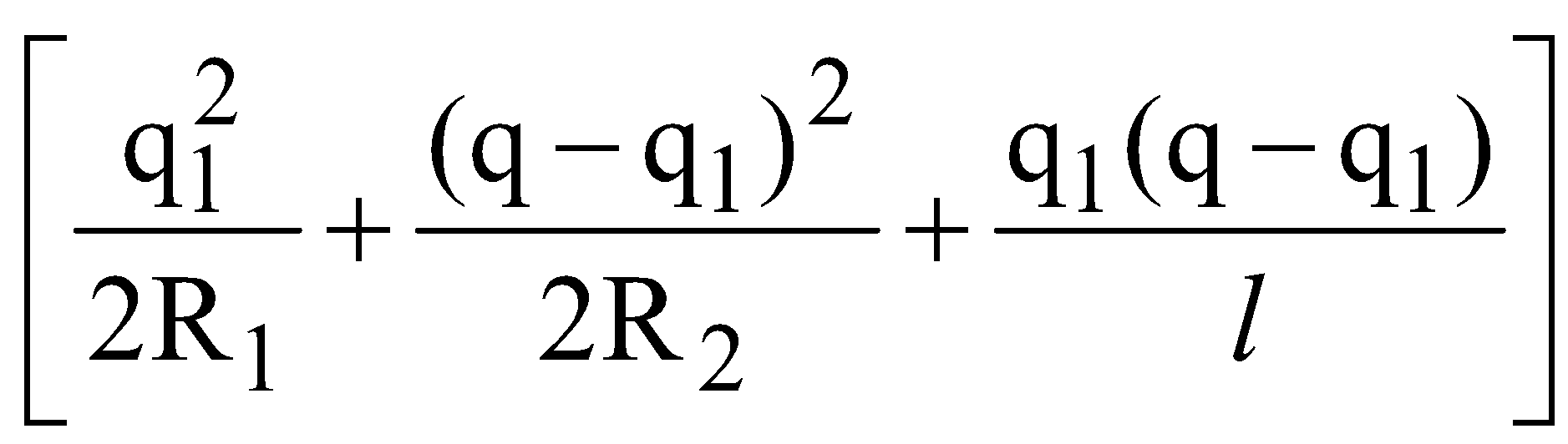
By substituting $q_2 = Q - q_1$, we can explore various configurations to define the energy minimum which is consistent with the initial ratio of charges.
Therefore, the ratio $\frac{q_1}{q_2} = \frac{R_1}{R_2}$ is maintained for energy minimization and confirms that energy is more optimally distributed at electric equilibrium.
We have two metallic balls with charges $q_1$ and $q_2$, and radii $R_1$ and $R_2$. The total charge $Q$ of the system is given by:
$ Q = q_1 + q_2 $
Assume that the potential of each ball is equal because they are in equilibrium due to symmetry, hence we denote the potential of each ball as $V$.
Step 2: Potential of a Metallic Sphere
The potential $V$ of a charged metallic sphere is given by:
$ V = \frac{k imes q}{R} $
where $k$ is Coulomb's constant. Therefore, for the two balls, we have:
$ V_1 = \frac{k imes q_1}{R_1} $
$ V_2 = \frac{k imes q_2}{R_2} $
Since they are equal at equilibrium, we have:
$ \frac{k imes q_1}{R_1} = \frac{k imes q_2}{R_2} $
Thus, removing $k$ from both sides, we find:
$ \frac{q_1}{q_2} = \frac{R_1}{R_2} $
Step 3: Minimizing the Energy
The electrostatic potential energy $U$ of the system consisting of two charges is given by:
$ U = \frac{k \times q_1 \times q_2}{d} $
where $d$ is the distance between the centers of the balls. However, to minimize energy concerning the ratio of charges, we find that the best configuration occurs when the ratio of charges equals the ratio of radii.
Step 4: Potential Difference
To find the potential difference $V_{12}$ between the two balls, we use the potentials previously found:
$ V_{12} = V_1 - V_2 $
This gives us:
$ V_{12} = \frac{k \times q_1}{R_1} - \frac{k \times q_2}{R_2} $
Rewriting $q_2$ in terms of $q_1$ using the ratio found, we get:
$ V_{12} = k \left( \frac{q_1}{R_1} - \frac{q_2}{R_2} \right) = k \left( \frac{q_1}{R_1} - \frac{q_1 \frac{R_1}{R_2}}{R_2} \right)$
Thus, simplifying further, we find:
$ V_{12} = k \times q_1 \left( \frac{1}{R_1} - \frac{1}{R_2} \right) $
By substituting $q_2 = Q - q_1$, we can explore various configurations to define the energy minimum which is consistent with the initial ratio of charges.
Therefore, the ratio $\frac{q_1}{q_2} = \frac{R_1}{R_2}$ is maintained for energy minimization and confirms that energy is more optimally distributed at electric equilibrium.
Prepare Smarter with CGP Edu
Get practice questions, solutions, and test series in one place.
Write a Review
Share your experience with this question and solution.
Commentary
Send your comment, doubt, correction, or feedback to admin.
Similar Questions
Explore conceptually related problems
A charge q is placed at the center of the line joining two equal charges Q. The system of the three…
Inside a hollow charged spherical conductor, the potential
Two small spheres each carrying a charge q are placed r meter apart. If one of the spheres is taken…
The electric charge in uniform motion produces
Two charged spheres of radii 10 cm and 15 cm are connected by a thin wire. No current will flow, if…
The electric field inside a spherical shell of uniform surface charge density is